
Composite Veneers questions answered in plain English
Direct, practical answers to 12 questions Irish homeowners ask about composite veneers costs, specifications, preparation and aftercare.
Still have a specific question about your property? Send a quick enquiry below and one Dental Council-registered cosmetic dental clinic covering your county will advise you directly.
Free, no obligation. One registered dental clinic in your county replies, not five.
Real examples and installation detail


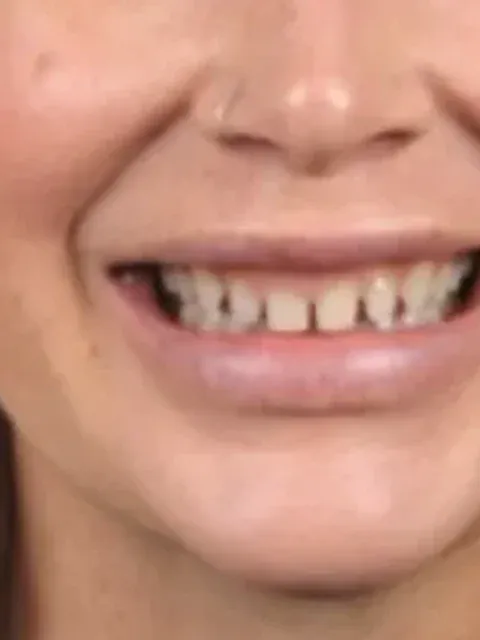
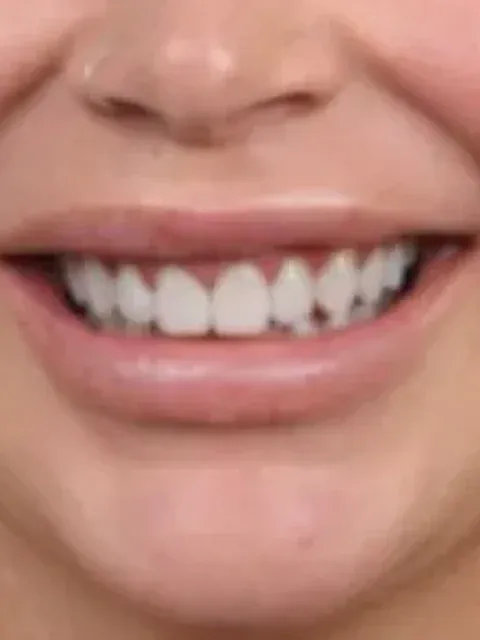
Get a composite veneers price from one local clinic
Pick how many teeth you are considering, where things stand and your county. Your enquiry goes to one Dental Council-registered cosmetic dental clinic covering your county to arrange a consultation and written quote.
Composite veneers guides & price breakdowns
Straight answers to what people ask most: itemised costs, specifications, planning or grants, and what to check before you book.
More guides & resources: All guides & calculator hub · Technical & trade glossary · Frequently asked questions · All areas covered · About this site
All 12 composite veneers questions answered
How much do composite veneers cost in Ireland?
Direct chairside composite veneers cost €250 to €450 per tooth, while digital injection-moulded or lab-made composite veneers cost €450 to €650 per tooth. For a 6-tooth upper smile makeover (canine to canine), clinics typically charge €1,400 to €2,400 for direct veneers or €2,500 to €3,600 for digital/indirect composite veneers.
What is the difference between composite veneers and composite bonding?
Composite edge bonding (€180 to €350 per tooth — see compositebonding.ie) only adds resin to the biting edge or corners of a tooth to fix a small chip or narrow gap while leaving 70%+ of your natural enamel visible. A composite veneer covers the entire front surface of the tooth from the gumline to the biting edge, allowing the dentist to change the shade, length and shape completely.
Do they shave down your natural teeth for composite veneers?
In almost all cases, no. Unlike traditional porcelain veneers — which usually require 0.3mm to 0.7mm of enamel to be drilled away — composite veneers are an additive treatment bonded directly onto lightly roughened, intact enamel. Because the underlying tooth is untouched, the procedure is reversible and rarely requires local anaesthetic injections.
How long do composite veneers last in Ireland?
Well-polished nano-hybrid composite veneers typically last 5 to 7 years (and up to 8–10 years with indirect lab-cured composite) before needing a full refresh. Having a quick 30-minute airflow polish and high-gloss buff every 12 months (€80 to €140) removes surface coffee or tea staining and keeps the enamel-like shine.
Can I claim 20% Form Med 2 tax relief on composite veneers?
Revenue's Form Med 2 rules exclude purely cosmetic composite bonding and composite veneers from the 20% non-routine dental tax relief unless the work is clinically required to restore teeth damaged by trauma, congenital enamel defects or severe erosion. By contrast, crowns, dental bridges and laboratory porcelain veneers listed on Form Med 2 do qualify for 20% relief.
Should I whiten my teeth before getting composite veneers?
Yes. Composite resin does not lighten when bleaching gel is applied later, and your lower teeth (plus your back premolars) remain uncovered when you get 4 or 6 upper veneers. Most dentists prescribe 2 weeks of boutique home teeth whitening (€250 to €450) first, wait 14 days for the shade to stabilise and bond strength to return to 100%, and then match the new veneers to your brighter natural teeth.
Do composite veneers hurt or need injections?
In over 90% of cases no drilling of sensitive dentine and no local anaesthetic injections are needed at all — you simply relax in the chair while the dentist cleans the enamel, applies the bonding adhesive and sculpts and polishes each tooth.
Should I whiten my teeth before getting composite veneers?
Yes, if you are doing 4, 6 or 8 upper teeth and want your lower teeth and back premolars to match your brighter new smile. Composite resin does not change colour with whitening gel later, so whitening is always completed 14 days before your bonding day.
Can I eat normally with composite veneers?
Yes — composite veneers cure to 100% hardness the moment the blue LED curing light finishes. You can eat normally straight away, though you should avoid biting directly into hard toffee, ice cubes, boiled sweets or fingernails with your front incisal edges.
What happens if I chip the corner of a composite veneer in two years' time?
Unlike a porcelain veneer (which has to be cut off completely and remade in a dental lab for €750–€1,150), a chipped composite veneer is micro-abraded, re-bonded and polished invisibly in the chair in 20 minutes for €80 to €160.
Can composite veneers fix crooked teeth without braces?
Composite veneers can camouflage mild crowding, rotated lateral incisors, peg laterals and uneven biting edges in a single visit. If teeth are severely proclined or cross-bitten, a short 4-to-6 month clear aligner alignment first gives a thinner, longer-lasting result.
How often should composite veneers be polished?
Having a 30-minute airflow stain removal and diamond-paste lustre buff every 12 to 18 months alongside your routine hygiene visit keeps the surface glass-smooth and stain-free for 5 to 8+ years.
Composite veneers across all 26 counties
Requests from all 26 counties go to one vetted local specialist who covers your county — from Dublin, Cork, Galway and Limerick to Kildare, Meath, Wicklow, Waterford and Donegal. Pick your county below for local prices, specifications and advice. Compare all areas covered →
Want a clear price for composite veneers?
One Dental Council-registered clinic covering your county contacts you. Nothing is booked until you have a written treatment plan.